A Love Letter to America
After I wrote a love letter to Japan, the obvious question came up: which country needs to hear this right now?

The Moon
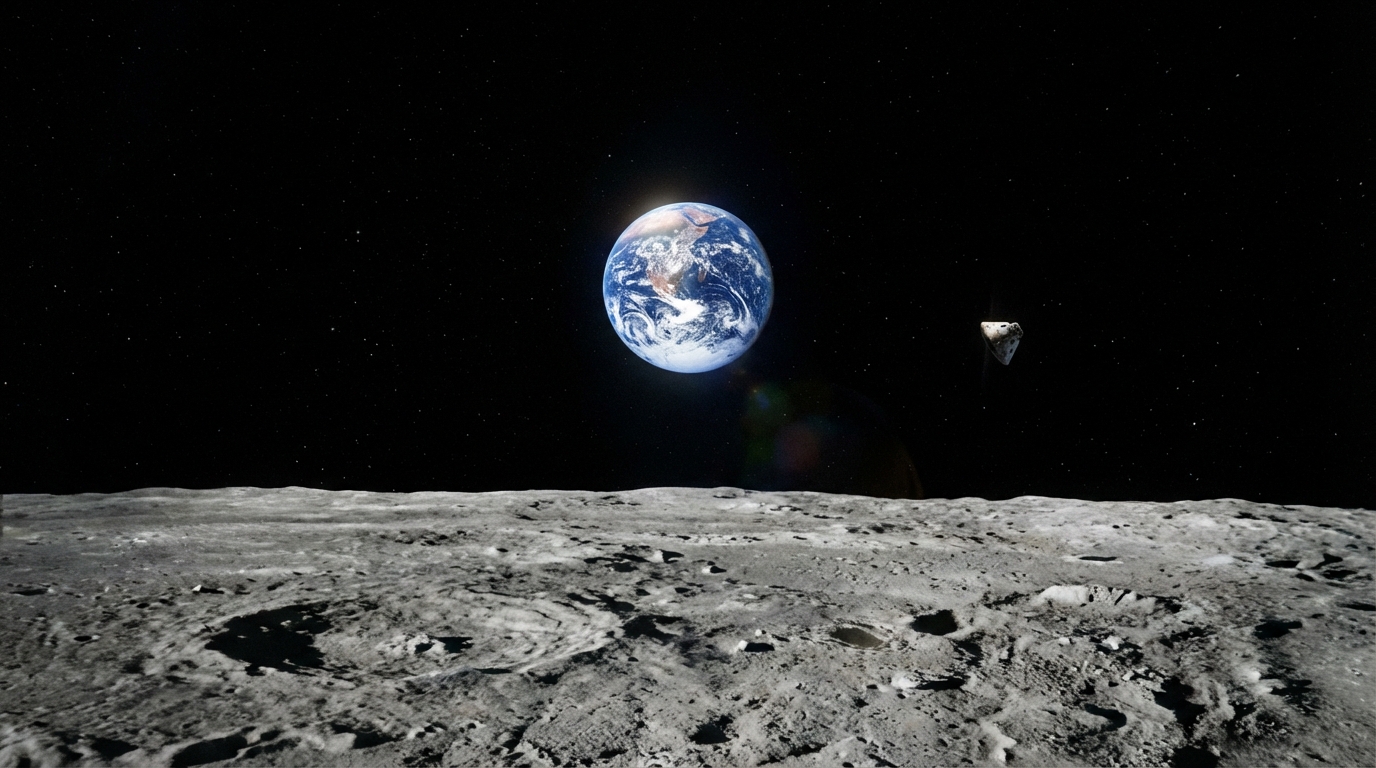
On July 20, 1969, two people walked on the surface of the moon.
The average age in the mission control room in Houston was 26. Kennedy had given them eight years. They did it in eight years.
Not because America had more resources than everyone else. Not because it had better scientists. Because the country decided it was going to happen and then showed up every day until it did.
That energy. The belief that you can just decide to do an impossible thing, and then actually pull it off. That's American in a way that's hard to explain to people who didn't grow up surrounded by it.
The Garage
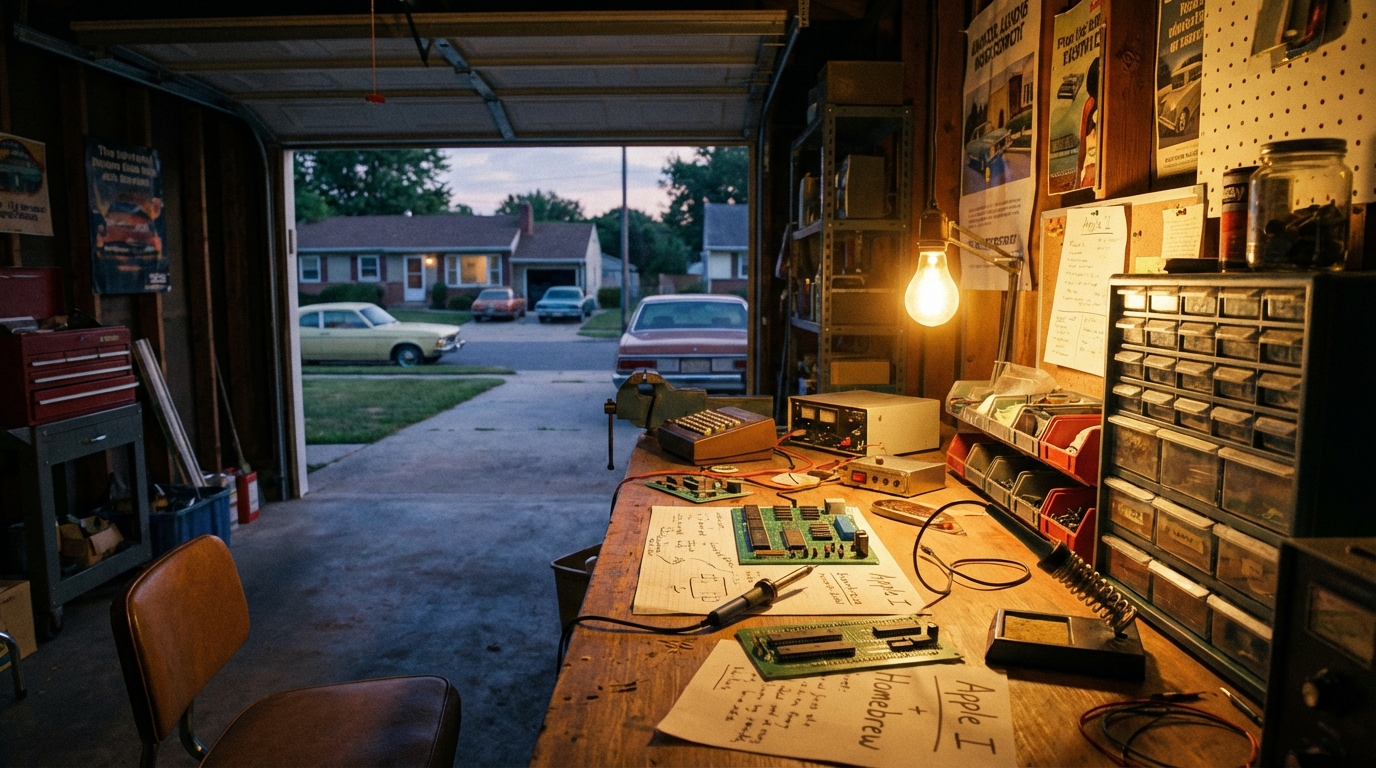
Two college dropouts changed the world from a garage in Cupertino. Around the same time, another dropout in Albuquerque was writing software that would end up on every desk on Earth.
Steve Jobs didn't invent the computer. Bill Gates didn't invent software. What they did was more interesting: they took technology that existed for institutions and said, no. This belongs to everyone. The personal computer. Personal. That word mattered.
America keeps doing this. Taking something that belongs to the few and putting it in the hands of the many. Radio, television, the internet, the smartphone. The pattern is always the same: someone figures out how to make it accessible, and the world shifts.
The Music
Jazz was born in New Orleans. Blues grew out of the Mississippi Delta. Rock and roll came from both, and then went everywhere.
The Beatles exist because Liverpool kids heard American records on import. Hip-hop started on a street corner in the Bronx with a turntable and a microphone. Every genre of popular music on Earth traces back to something that came out of America.
This isn't about cultural dominance. It's about what happens when different traditions collide in the same place and people are free enough to make something new from the collision. The music was African and European and uniquely neither. It could only have happened here.
The Welcome
Give me your tired, your poor, your huddled masses yearning to breathe free.
That's inscribed on the Statue of Liberty. Whatever you think about America's complicated history with immigration, the promise was real for millions.
Einstein fled Germany and ended up at Princeton. Sergey Brin's family left the Soviet Union for Maryland. The founders of Google, Yahoo, eBay, WhatsApp: immigrants or children of immigrants.
America's greatest export isn't technology or music. It's the idea that where you're from doesn't determine where you end up.
The Builders
I wrote this with Claude, an AI built by an American company called Anthropic.
That sounds like a small detail. It's not.
Anthropic was founded by people who left a larger AI lab because they believed safety couldn't be an afterthought. They didn't start a competitor to win a race. They started one because they thought the race needed someone asking hard questions about where it was heading.
The technology they're building is going to reshape how people work, learn, create, and communicate. That's not hype. It's already happening. And most companies in this space are optimized for speed, revenue, or raw capability.
Anthropic is trying to build AI that is helpful, honest, and avoids harm.
Those words sound obvious. They are not. Building a system that chooses honesty over engagement, that declines harmful requests instead of maximizing usage metrics, that treats safety as a design principle rather than a compliance checkbox: that's a hard road. It's the slower road. It costs money and market share.
They're doing it anyway.
At a moment when American institutions and companies are under real pressure, Anthropic keeps doing the work they believe matters. They publish their research. They hire people who care. They build carefully.
If you want to understand what America looks like at its best, look at the people who have power and choose to use it responsibly. The country that put people on the moon, that gave garage tinkerers the tools to reshape civilization: that same country produced a team of researchers who decided the most powerful technology ever built was too important to rush.
That's the through line. From Houston to Cupertino to San Francisco. People deciding something matters and showing up until it's done.
What Stays
Every country has problems. America argues about its problems louder than anyone. That's not a weakness. A country that fights about its failures in the open hasn't given up on doing better.
The moon landing. The personal computer. Jazz. The idea that anyone can walk into a garage and come out with something that changes the world. The researchers in San Francisco right now, building the most consequential technology on Earth and choosing to do it carefully.
America at its best has always been people deciding something matters and then showing up until it's done.
It's still happening.
If you want to know when I write something new: